
About LATL
Built by a survivor, for survivors.
I couldn't find the space I needed when I left my cult. So I built it.
My mission
Elvira's Mission
Life After The Light exists to support people who have left high-control groups and cults — and the professionals who walk alongside them. I believe that a safe life after leaving is possible, that complexity is welcome, and that no one should have to make sense of their experience alone.
This is not a crisis service. It is an advocacy space that has been built on the understanding that healing is not linear, that grief and relief can coexist, and that the questions cult survivors carry deserve honest, unhurried space.
What I stand for
My values.
Belief without pressure
I believe survivors. Completely, and without requiring them to frame their experience in any particular way for any purpose or benefit.
Complexity is welcome
Recovery from cults and high-control groups is not a straight line. Ambivalence, grief, and love for people still inside are all part of the experience — and all welcome here.
No prescriptions or "cures"
I don't tell cult and high-control group survivors how to heal, what to believe, or how long recovery should take. I offer information, community, and connection — and trust people to find their own way.
Professional partnership
I work alongside mental health professionals, not in place of them. I believe that a collective approach must be taken to improve the welfare of survivors.
My story
My story.
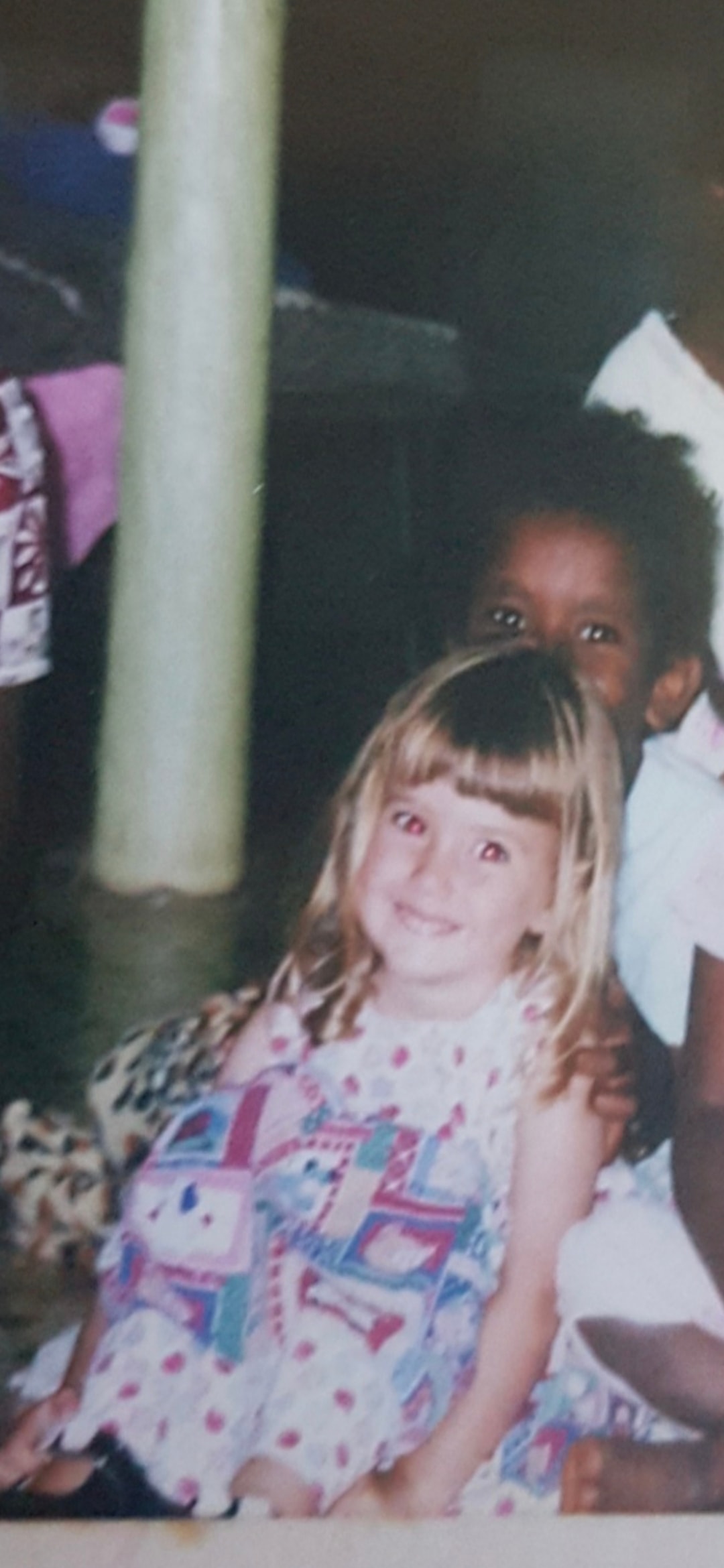
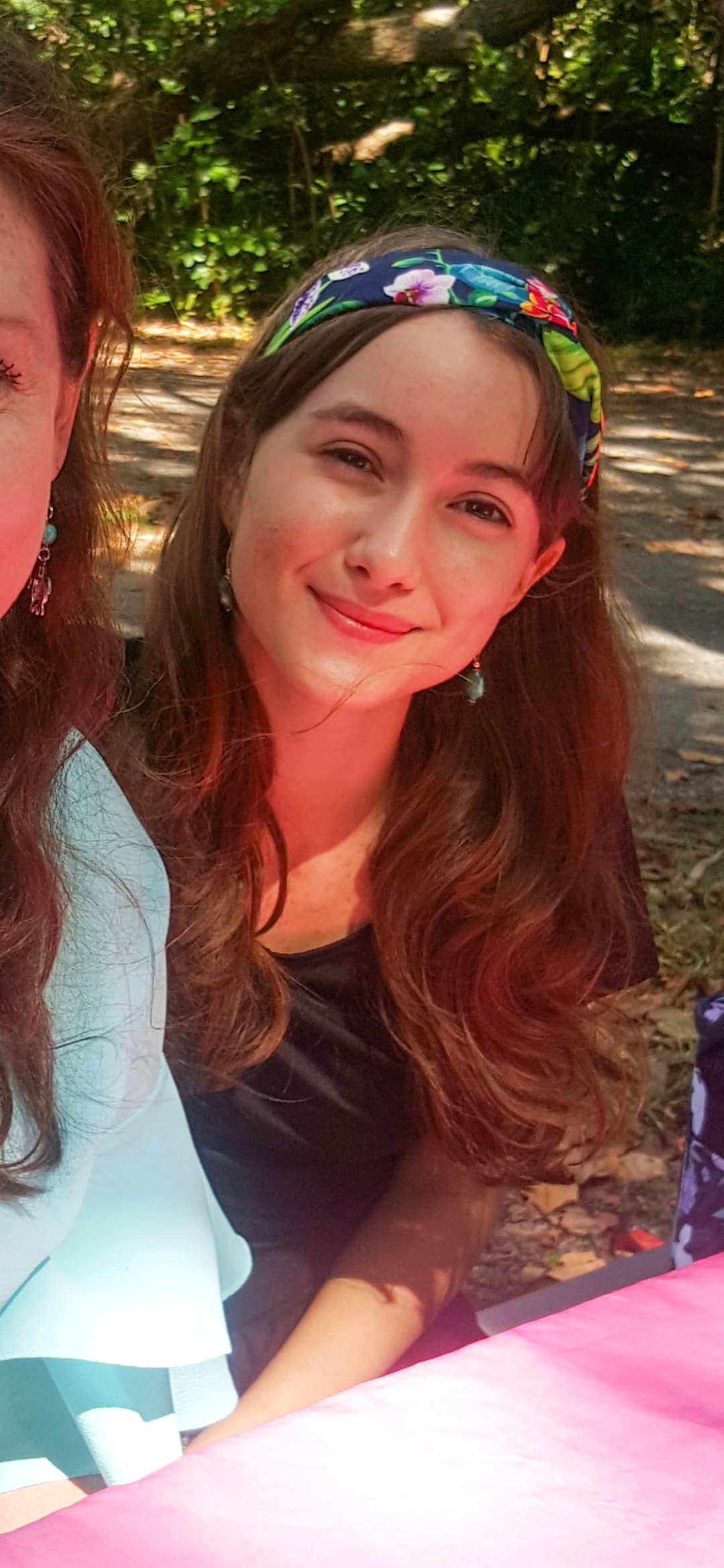
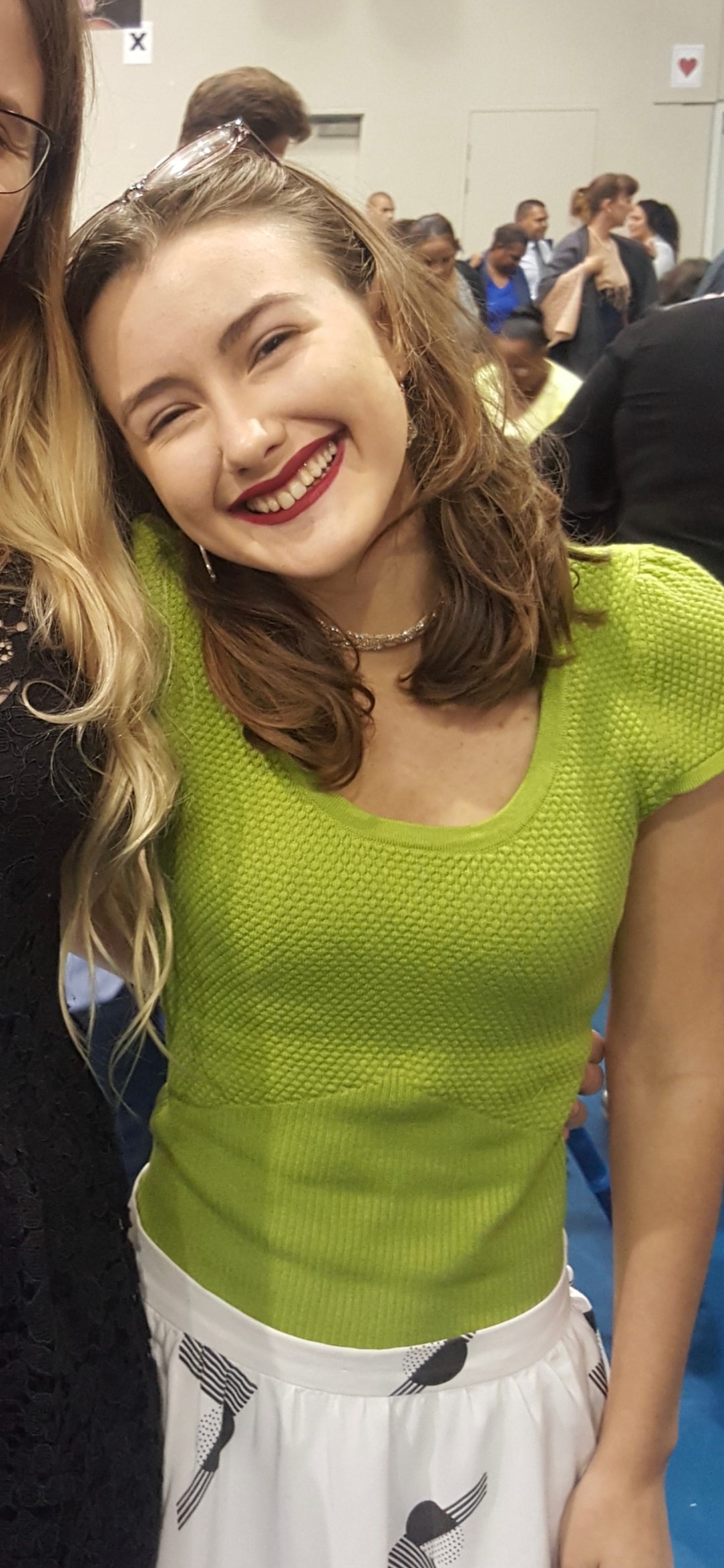
My name is Elvira Scadurra. I'm a young Australian woman, and five years ago I left the only world I had ever known — a cult and high-control group I had been part of since birth.
I grew up believing I would be in my group forever and that I would never face any harm as a result. I believed that where I existed was holy, divine and special. It wasn't a choice I had made consciously — it was simply the shape of my life from birth. My community, my identity, my understanding of what was true and what was good was decided for me. I couldn't imagine existing outside of it.
At fifteen, I was officially baptised into the group — the beginning of what I understood to be a lifelong commitment as a full-time preacher. I believed in it completely. I later served in a full-time capacity for a year, giving everything I had to a world I had been taught was the only one worth living in.
Then my world fell apart. I left home at eighteen. In the aftermath, I began to understand the full weight of what had happened to me — the abuse and mistreatment I had endured, including sexual abuse. Things I had been taught to accept, explain away, or simply not name.
I had also lived with disability since a young age, following an accident. A surgery I underwent later triggered a chronic illness that had gone unrecognised for years — another layer of my experience that I was only beginning to understand as I rebuilt my life outside the group.
What changed wasn't a single moment of clarity. It was a series of events I could no longer explain away. The framework my cult had given me to understand the world stopped holding. And slowly, painfully, I woke up.
Leaving was the hardest thing I have ever done. And the aftermath — the grief, the disorientation, the loss of community and certainty — was something I was completely unprepared for. I looked for spaces that understood what cult and high-control group survivors go through. I found very little.
So I built Life After The Light. Not as an expert, but as someone who has lived it. A space I wish had existed when I needed it most — for survivors like me, and for the professionals who want to help but aren't always sure how.
"You don't have to have it figured out to belong here."